
In a world where the weather can change faster than a cat video goes viral, having a reliable weather app is essential. Imagine stepping out in shorts on a sunny morning only to face a surprise snowstorm by noon. That’s a plot twist no one wants! Weather apps have become our trusty sidekicks, guiding us through the unpredictable whims of Mother Nature with just a swipe of a finger.
But not all weather apps are created equal. Some offer just the basics, while others provide detailed forecasts, radar maps, and even alerts for severe weather. Choosing the right one can make the difference between a sun-kissed picnic and a drenched disaster. So let’s dive into the world of weather apps and discover which ones deserve a spot on your home screen. After all, who wouldn’t want to be the one friend who always knows if it’s going to rain?
Overview of Weather Apps
Weather apps serve a crucial role in monitoring climate conditions and making informed decisions. Many options exist, ranging from simple applications to advanced platforms. Basic weather apps typically provide current temperature and forecasts. More complex applications include features like radar maps, severe weather alerts, and real-time updates.
A few standout examples of comprehensive weather apps include The Weather Channel, AccuWeather, and Weather Underground. Each app features unique functionality, catering to different user preferences. The Weather Channel excels in delivering detailed forecasts and news updates. AccuWeather offers hyper-local forecasting, enhancing accuracy for specific locations. Weather Underground focuses on crowd-sourced data, providing users with insights from local weather stations.
User-friendly interfaces significantly improve the overall experience of using weather apps. They allow users to navigate seamlessly, view multiple locations, and customize alert settings. Accessibility on various platforms, including smartphones and tablets, adds to their appeal.
Advanced users often prefer weather apps that provide data visualizations. Charts and graphs illustrating temperature changes, precipitation levels, and wind speeds enhance comprehension. Some apps integrate social sharing features, allowing users to collaborate and share weather updates with friends and family.
Weather apps also offer a range of features beyond standard forecasts. They may provide pollen counts, UV indexes, and air quality indices, supporting users with proactive health insights. Safety features, such as emergency alerts for severe weather events, further increase their value.
Having access to accurate weather information is essential. Thus, selecting the appropriate weather app meets individual needs and keeps users informed.
Key Features to Consider
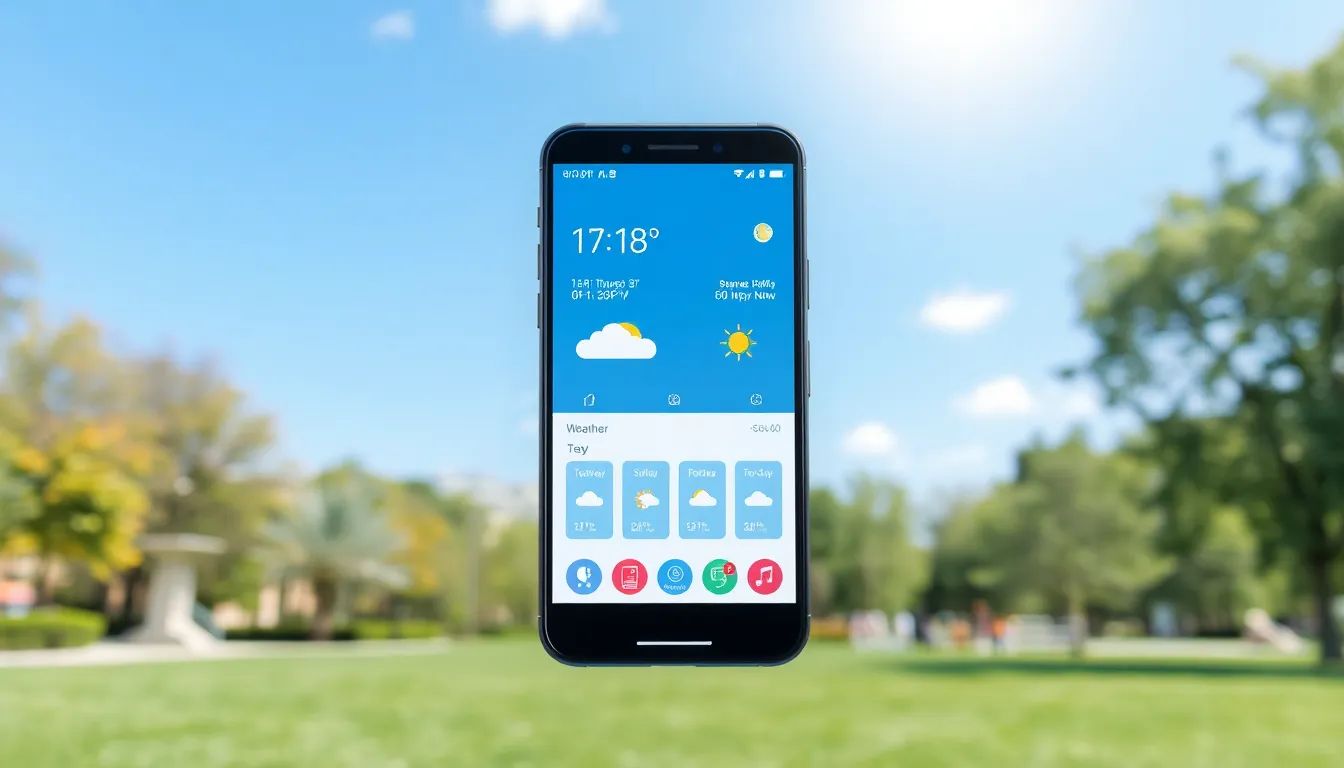
Selecting the right weather app involves evaluating several essential features that enhance user experience and ensure accurate information.
User Interface and Design
Evaluating the user interface is crucial for seamless navigation. An intuitive layout allows users to quickly access forecasts and alerts. Visual clarity aids in understanding data efficiently. A clean design encourages users to engage with the app regularly. Additionally, recognizable icons assist in faster recognition of critical information. Color schemes should enhance usability without overwhelming users.
Accuracy of Forecasts
Accuracy plays a significant role in determining the reliability of a weather app. Users expect real-time data and consistently updated forecasts. Reviewing user feedback and comparisons can provide insights into an app’s predictive capabilities. Some apps leverage multiple sources for data aggregation to improve forecast precision. Additionally, location-specific details ensure relevance in predictions and alerts. Trustworthy apps often feature up-to-date information from recognized meteorological organizations.
Customization Options
Customization options give users control over their weather experience. Allowing for personalized alerts enables users to prioritize notifications based on their needs. Some apps offer different themes or layouts that accommodate varied preferences. Users can select their preferred weather metrics, like temperature units or precipitation levels. Flexibility in settings allows for a tailored experience that meets individual requirements. Ultimately, personalized features enhance user satisfaction and engagement with the app.
Top Weather Apps on the Market
Selecting the right weather app ensures users receive accurate and timely weather information. Here’s a look at some leading apps available today.
App 1: Features and Benefits
The Weather Channel offers comprehensive forecasts and radar maps. Users gain access to hyper-local weather data through real-time updates. Severe weather alerts and interactive maps enhance user safety during extreme conditions. High customization options allow individuals to set personalized notifications. It provides a user-friendly interface, making navigation effortless.
App 2: Features and Benefits
AccuWeather stands out with its minute-by-minute precipitation forecasts. Users appreciate detailed hourly and extended forecasts for precise planning. A unique feature includes the “RealFeel” temperature, which factors in humidity and wind. Severe weather notifications keep customers informed about dangerous conditions. Its clean, intuitive design supports ease of use for all demographics.
App 3: Features and Benefits
Weather Underground excels in community-based weather tracking. Users contribute local observations, enriching the data received. Advanced radar imagery and customizable alerts ensure accurate forecasts. Pollen counts and air quality information help allergy sufferers stay informed. This app attracts users seeking detailed and neighborhood-specific statistics.
Pros and Cons of Using Weather Apps
Weather apps provide users with immediate access to forecasts and alerts, fostering preparedness in changing climates. They allow individuals to check conditions from anywhere, enhancing convenience and timely decision-making. Comprehensive features, like radar maps and severe weather alerts, support users in making informed choices about travel and outdoor activities.
Despite their advantages, some drawbacks exist. Varied accuracy levels across different apps can lead to confusion, as forecasts may disagree. A reliance on mobile data or Wi-Fi connectivity creates barriers in remote areas, limiting access when it’s most needed. Additionally, some users may find overwhelming notifications from certain apps, causing frustration rather than assistance.
User interface design varies significantly among weather apps. Simplistic layouts enhance usability, while cluttered designs can deter users from utilizing the app effectively. Customization options play a crucial role in tailoring the experience. Users appreciate the ability to select specific metrics or alert settings that align with their lifestyles.
Apps like The Weather Channel and AccuWeather exemplify the range of benefits available. Their detailed forecasts and interactive features empower users to navigate potential weather disruptions seamlessly. Weather Underground stands out by engaging communities, integrating local data for richer insights. Users who prioritize community-driven information may flock to this app for its unique offerings.
Ultimately, weighing these pros and cons helps individuals select the right weather app for their needs. Each user will prioritize different features based on personal circumstances and preferences. Staying informed about weather patterns becomes essential in today’s unpredictable climate.
Choosing the right weather app is essential for staying informed in today’s unpredictable climate. With a variety of options available users can find apps that cater to their specific needs whether they prioritize detailed forecasts or user-friendly interfaces. The right app not only provides timely updates but also enhances preparedness for sudden weather changes.
By considering features like accuracy customization and ease of use individuals can make informed decisions that keep them ahead of the weather. Investing time in selecting a reliable weather app ultimately leads to better planning and a more comfortable daily life.