
Middle school can feel like a rollercoaster ride—full of twists, turns, and the occasional stomach drop. Amid the chaos of lockers, lunchroom drama, and navigating new friendships, setting goals might seem like just another homework assignment. But what if it could actually be the secret sauce to not just surviving but thriving during these transformative years?
Picture this: instead of just drifting through the school year, students can take charge of their journey. By setting clear, achievable goals, they can boost their confidence, improve their grades, and even have a little fun along the way. Whether it’s acing that math test or finally mastering the art of the perfect locker combination, goal setting can turn the middle school experience from a daunting challenge into an exciting adventure.
Understanding Goal Setting for Middle School
Goal setting provides middle school students with a framework to navigate academic and personal challenges effectively. Setting clear objectives encourages them to take charge of their learning journey.
Importance of Goal Setting
Goal setting plays a crucial role in guiding students through middle school. By establishing specific targets, they gain clarity on their aspirations. This process helps students focus their efforts and reduces feelings of overwhelm. Additionally, setting goals offers a sense of ownership. Students learn accountability and responsibility as they track progress toward their objectives. Recognizing achievements fosters self-confidence, motivating them to strive for greater accomplishments.
Benefits for Middle School Students
Benefits of goal setting extend beyond academics. Enhanced organization skills emerge as students create plans to meet their goals. Improved time management abilities develop when they balance various commitments. Furthermore, goal setting encourages resilience. As they face challenges, students learn to adapt and adjust their strategies. Collaborative goals can strengthen relationships with peers and teachers, promoting teamwork. This approach cultivates a supportive school environment, enriching their overall educational experience.
Types of Goals
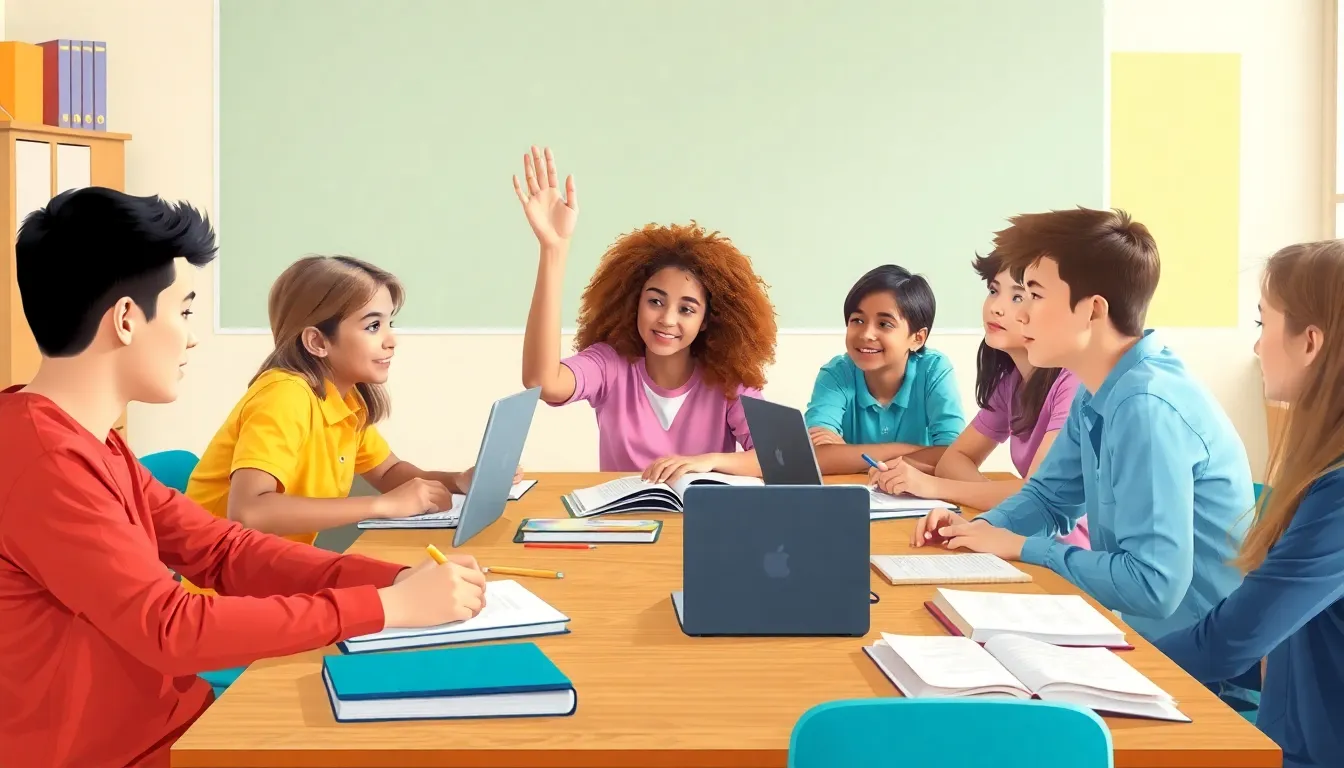
Setting different types of goals helps middle school students target specific areas for improvement and growth. These goals can fall into three main categories: academic, personal, and extracurricular.
Academic Goals
Academic goals focus on improving grades or mastering specific subjects. Students might aim for higher scores on tests or complete assignments ahead of deadlines. Strategies for achieving academic goals include creating a study schedule, seeking help from teachers, and participating in study groups. Improvement in academic performance boosts confidence and prepares students for future challenges.
Personal Goals
Personal goals cater to individual growth and self-awareness. Examples include developing better time-management skills or practicing mindfulness techniques. Setting a personal goal can promote healthier habits, such as regular exercise or maintaining a balanced lifestyle. By focusing on these aspects, students foster a deeper understanding of themselves and enhance their well-being.
Extracurricular Goals
Extracurricular goals revolve around participation in clubs, sports, or community service. Students might set targets such as joining a sports team, learning a musical instrument, or volunteering. Engaging in extracurricular activities broadens interests and helps develop teamwork and leadership skills. Committing to these goals enriches the overall middle school experience.
Effective Goal Setting Strategies
Effective goal setting can significantly impact a middle school student’s educational journey. Employing structured methods ensures clarity and focus on aspirations.
SMART Goals Framework
Utilizing the SMART framework enhances goal specificity. Goals should be Specific, Measurable, Achievable, Relevant, and Time-bound. Specific goals detail what needs achieving. Measurable aspects track progress, such as aiming for a particular grade. Achievable targets align with students’ capabilities. Relevant goals connect to personal interests or academic objectives. Time-bound elements set deadlines, creating urgency. This strategic approach allows students to monitor their progress and adjust as necessary.
Creating Action Plans
Developing action plans transforms goals into actionable steps. Breaking down goals into smaller tasks simplifies the process. Students can prioritize tasks based on importance and deadlines. Incorporating regular check-ins on progress fosters accountability. Students must stay flexible and willing to adjust plans as needed. Collaborating with teachers or peers can provide additional support. Creating timelines for each task generates a clear path forward. Action plans ensure that goals remain visible and achievable, facilitating overall success in school.
Overcoming Challenges in Goal Setting
Middle school students face various challenges when it comes to goal setting. These obstacles can hinder their progress and lead to frustration.
Common Obstacles
Distractions often derail students from achieving their goals. Social media, extracurricular activities, and peer pressure can consume significant time and attention. Some students struggle with procrastination, which delays important tasks and increases stress. Others may find it difficult to set realistic goals, leading to feelings of inadequacy. Limited support from teachers or parents can also create barriers, making it tough for students to stay accountable. Identifying these common obstacles helps students develop strategies to navigate them effectively and maintain focus on their aspirations.
Tips for Staying Motivated
Staying motivated requires a proactive approach. Setting small, achievable milestones keeps students engaged and fosters a sense of accomplishment. Visual reminders like goal charts or sticky notes can provide ongoing motivation. Regular check-ins with peers or mentors build a support system that reinforces accountability. Celebrating small wins along the way also boosts confidence. Staying flexible is essential; adjusting goals based on changing circumstances keeps students on track without feeling discouraged. These strategies enhance motivation and cultivate a positive outlook throughout the goal-setting process.
Goal setting is a powerful tool for middle school students navigating the ups and downs of their educational journey. By establishing clear and realistic goals, students can take charge of their learning and personal development. This proactive approach not only boosts confidence but also equips them with essential skills for future challenges.
As they track their progress and celebrate achievements, students learn the value of perseverance and accountability. Embracing the goal-setting process transforms middle school from a daunting experience into an opportunity for growth and discovery. With the right strategies and support, students can thrive academically and personally, making their middle school years truly rewarding.