
Cultural discourse isn’t just a fancy term tossed around at dinner parties—it’s the lively exchange of ideas that shapes societies. It’s where opinions clash, perspectives broaden, and sometimes, where laughter erupts over a well-timed joke about cultural quirks. Understanding this dynamic can turn anyone into a conversational ninja, effortlessly navigating the complexities of modern society.
In a world buzzing with diverse voices, cultural discourse serves as the ultimate stage for dialogue. It’s not just about sharing opinions; it’s about connecting with others, embracing differences, and maybe even discovering that your neighbor’s obsession with pickles isn’t so weird after all. Dive into the vibrant world of cultural discourse and unlock the secrets to engaging conversations that can transform how we see each other and the world around us.
Understanding Cultural Discourse
Cultural discourse encompasses the rich dialogue that shapes societal norms and individual perspectives. Engaging in this discourse broadens understanding and fosters deeper connections among people.
Definition and Significance
Cultural discourse refers to the exchange of ideas, beliefs, and practices among diverse groups. This interaction facilitates the sharing of viewpoints, making it essential for social growth. Promoting inclusivity through cultural discourse helps bridge gaps between different communities. Engaging in constructive dialogue allows individuals to challenge stereotypes, leading to personal and societal transformation. Recognizing its significance, cultures evolve and adapt, making community discussions vital in contemporary society.
Key Components of Cultural Discourse
Several key components drive effective cultural discourse. Respect forms the foundation, encouraging participants to value differing opinions. Active listening enhances comprehension and fosters empathy among individuals. Critical thinking enables deeper analysis of shared ideas, promoting richer conversations. Clear communication ensures messages are conveyed effectively, minimizing misunderstandings. Lastly, openness to change encourages continuous learning, allowing society to evolve through ongoing dialogue. These elements work together to create an enriched conversational environment.
Types of Cultural Discourse
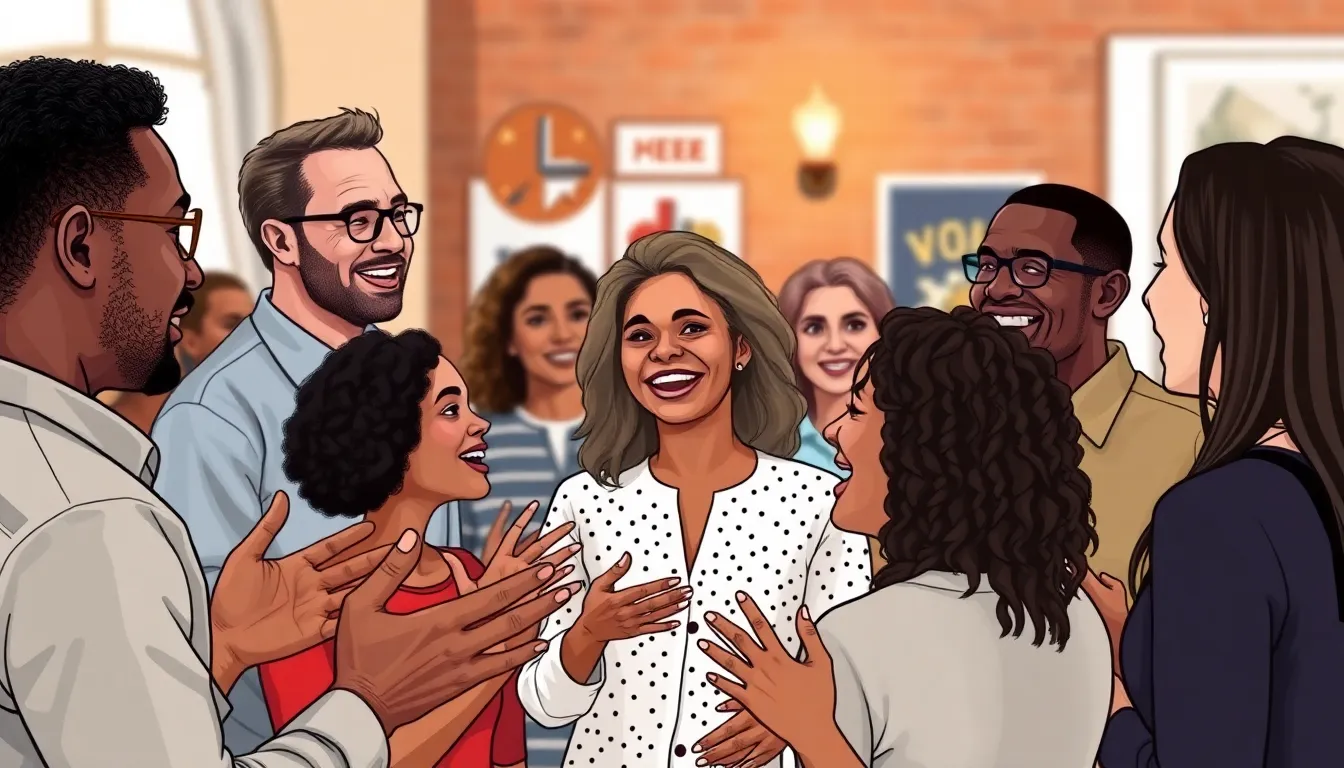
Cultural discourse manifests through various forms, significantly shaping interactions within societies. Key types include verbal communication and non-verbal communication.
Verbal Communication
Verbal communication encompasses the spoken and written exchanges that convey ideas and emotions. This type engages people through dialogues, speeches, and written texts. It allows for direct expression of thoughts and perspectives. In conversations, participants share their viewpoints, ask questions, and provide responses, fostering a dynamic exchange of information. Effective verbal communication requires clarity, empathy, and respect. When individuals articulate their beliefs clearly, they encourage understanding among diverse audiences. Discussions on cultural topics often highlight different narratives, which enrich cultural discourse and broaden collective perspectives.
Non-Verbal Communication
Non-verbal communication involves body language, gestures, and facial expressions that complement verbal messages. Its subtleties provide context and depth to interactions. This form engages individuals on a visceral level, often conveying emotions that words alone may fail to express. Eye contact can signal interest, while postures convey openness or defensiveness. Cultures interpret these signals differently, adding layers to social exchanges. Recognizing these differences enhances cross-cultural understanding. Together, verbal and non-verbal communication form a comprehensive framework for effective cultural discourse, fostering connections that transcend words.
The Role of Cultural Discourse in Society
Cultural discourse plays a critical role in how individuals define their identities and sense of belonging. Individuals often share their experiences through dialogues that reflect their cultural backgrounds, weaving a tapestry of narratives. Such exchanges contribute significantly to how communities form. People find common ground in their shared stories, enhancing collective identity. This sense of belonging fosters resilience and unity among diverse groups.
Influencing Identity and Belonging
Identity formation frequently hinges on the discussions individuals engage in within their cultural contexts. Cultural discourse helps shape personal beliefs and values by exposing individuals to various perspectives. The sharing of experiences affirms personal narratives while simultaneously acknowledging differences. This interaction not only fortifies individual identities but also cultivates a sense of belonging within larger societal constructs. Fostering inclusive environments, it invites individuals to explore their identities collectively.
Shaping Social Norms and Values
Social norms and values evolve through cultural discourse as communities negotiate meaning and establish shared understandings. Discussions surrounding critical issues often challenge outdated beliefs and introduce progressive ideas. Engaging in these dialogues empowers individuals to question societal standards, allowing for transformation. Dialogic interactions among diverse groups lead to a dynamic re-examination of values and practices, resulting in more inclusive social norms. These evolving norms reflect a society’s shifting conscience, ensuring representation for all voices involved.
Challenges in Cultural Discourse
Cultural discourse faces various challenges that can impede constructive dialogue. Understanding these obstacles is crucial for fostering effective communication.
Misinterpretation and Miscommunication
Misinterpretation often arises due to differing cultural contexts. Language barriers can lead to confusion over intended meanings. Nuances in non-verbal cues further complicate exchanges. Miscommunication hinders the potential for meaningful discussions and may reinforce stereotypes. Without clarity and active listening, participants risk losing the essence of their messages. Moreover, assumptions about cultural norms and values can exacerbate misunderstandings. Recognizing these challenges aids in promoting mutual respect and understanding during interactions.
Cultural Appropriation Issues
Cultural appropriation presents a significant challenge in cultural discourse. Misunderstanding occurs when elements of one culture are adopted by another without proper acknowledgment or respect. This practice can perpetuate stereotypes and marginalize the original culture. Concerns arise when cultural elements are commodified, stripping them of their significance. Many feel that appropriation diminishes the value of their traditions and identities. Addressing these concerns requires sensitivity and recognition of cultural contexts. Ultimately, engaging in respectful dialogue can help navigate these complexities and promote greater awareness among diverse groups.
Cultural discourse is a vital component of societal growth and understanding. By engaging in respectful and open dialogue, individuals can bridge gaps between diverse perspectives and foster connections that enrich communities. Embracing differences not only enhances conversational skills but also strengthens collective identity and resilience.
As societies continue to evolve, the importance of navigating cultural discourse with sensitivity and awareness cannot be overstated. It’s through these dynamic exchanges that outdated beliefs can be challenged, leading to more inclusive social norms. Ultimately, fostering an environment where all voices are heard will pave the way for a more connected and understanding world.