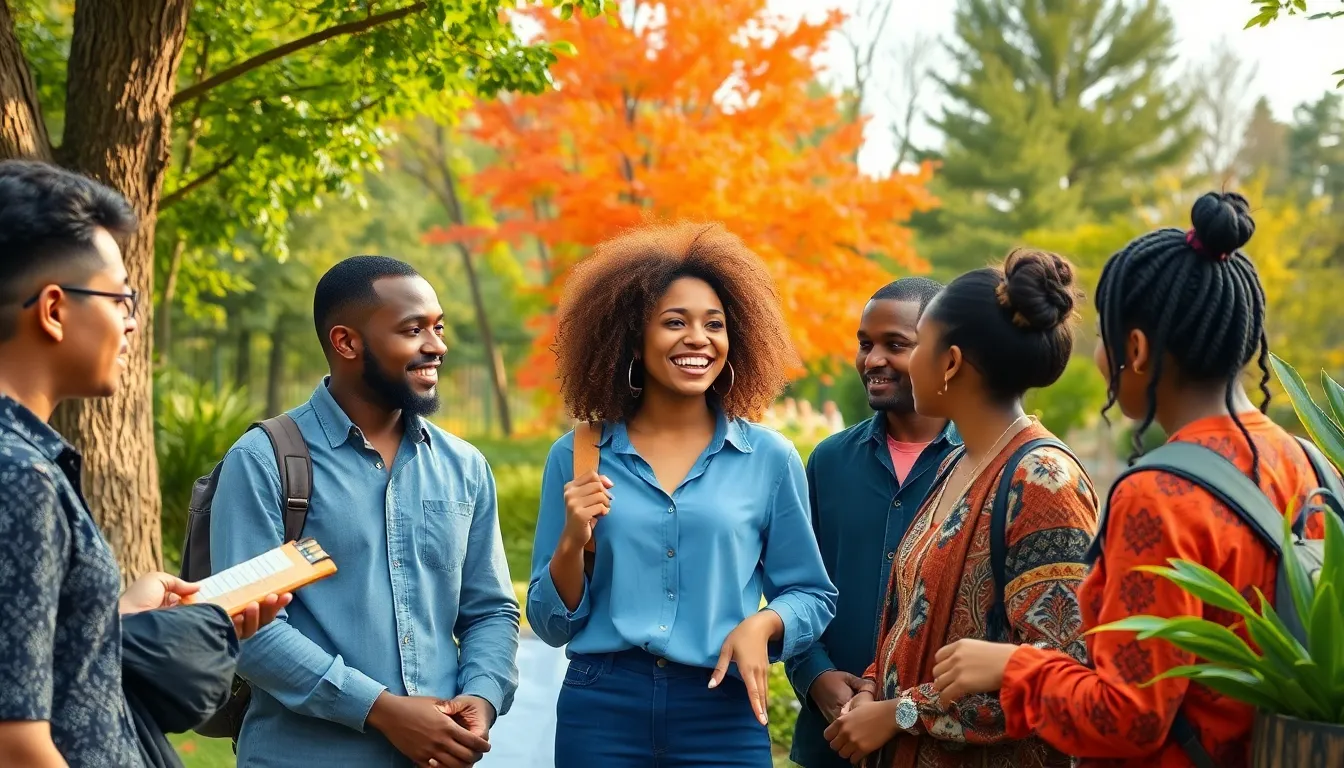
In a world where opinions clash like titans in a coliseum, cultural dialogue emerges as the peacemaker with a flair for diplomacy. It’s not just about exchanging ideas; it’s about mixing flavors from different cultures to create a deliciously diverse conversation. Imagine trying to bake a cake with just flour—pretty bland, right? Cultural dialogue adds the sugar, spice, and everything nice, making interactions richer and more meaningful.
Understanding Cultural Dialogue
Cultural dialogue fosters understanding and harmony among diverse perspectives. Engaging in meaningful conversations enhances the richness of cultural exchange.
Definition and Importance
Cultural dialogue involves the open exchange of ideas between individuals from different cultural backgrounds. It plays a crucial role in bridging gaps and breaking down barriers. Emphasizing empathy and respect is vital for genuine engagement. This communication form allows participants to challenge biases, leading to innovative solutions and collaborative relationships. Cultivating mutual respect among cultures promotes social cohesion and reduces conflicts. Various organizations recognize cultural dialogue as essential for creating inclusive societies.
Historical Context
Cultural dialogue has roots in ancient civilizations that prioritized communication among different groups. Early trade routes enabled exchanges between cultures, paving the way for mutual understanding. In the 20th century, global conflicts highlighted the need for dialogue to promote peace. Significant movements, such as civil rights, underscored cultural dialogue’s power to foster unity amid diversity. Institutions like UNESCO have since championed cultural dialogue to facilitate cooperation among nations. These historical moments illustrate the evolving nature of cultural dialogue and its lasting impact on societies worldwide.
Types of Cultural Dialogue
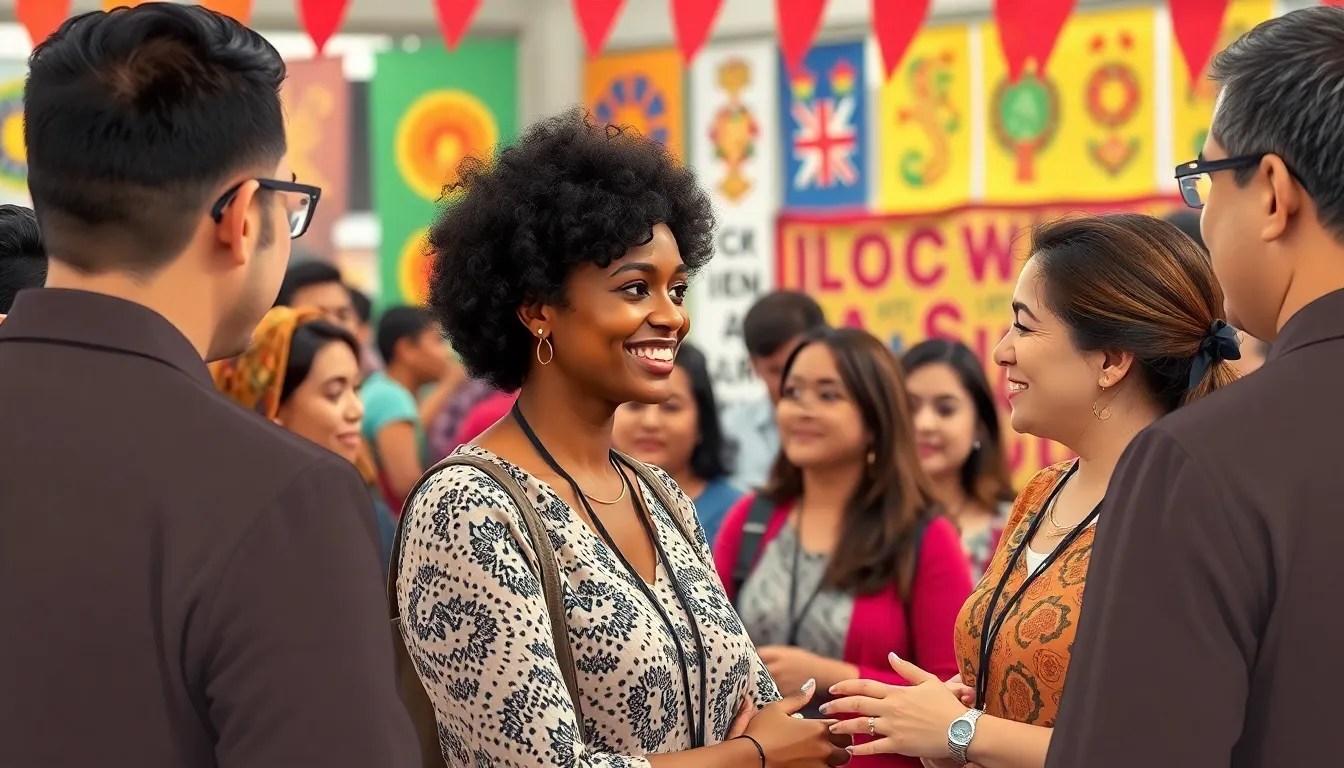
Cultural dialogue manifests in various forms, each contributing to mutual understanding and respect. Two prominent types include interpersonal dialogue and institutional dialogue.
Interpersonal Dialogue
Interpersonal dialogue involves direct exchanges between individuals from different cultural backgrounds. Such dialogues promote personal connections and empathy, enhancing understanding. Participants share their unique experiences and perspectives, fostering trust. Conversations often reveal shared values and address misconceptions. Engaging in interpersonal dialogue can lead to lasting friendships and cooperative initiatives, driving collective growth in communities.
Institutional Dialogue
Institutional dialogue takes place between organizations, governments, and cultural institutions. This type facilitates structured discussions aimed at addressing social issues and promoting policy changes. For instance, partnerships between NGOs and local communities emphasize collaborative efforts for social cohesion. Institutions engage in dialogues to share best practices, resources, and knowledge. This collaboration enhances cultural competency and mitigates conflicts across different societal sectors. By working together, institutions create platforms for broader dialogue, fostering inclusive environments.
Benefits of Cultural Dialogue
Cultural dialogue presents numerous advantages that significantly impact societies and individuals. These benefits include promoting understanding and fostering collaboration.
Promoting Understanding
Cultural dialogue enhances awareness among diverse communities. It encourages individuals to recognize and appreciate different perspectives. Open exchanges of ideas break down stereotypes while building empathy. Participants discover common ground, leading to deeper connections. Shared experiences promote respect and diminish misconceptions. This process cultivates informed citizens aware of global interdependence. Knowledge gained through dialogue reduces prejudice and nurtures harmonious relationships. Support from organizations like UNESCO emphasizes the importance of this understanding in creating inclusive societies. Thus, cultural dialogue serves as a cornerstone of peaceful coexistence.
Fostering Collaboration
Collaboration emerges as a natural outcome of cultural dialogue. Partnerships between individuals and organizations thrive when mutual respect exists. Dialogue encourages sharing resources, expertise, and innovative solutions. These collaborative efforts address social issues and initiate policy changes that benefit communities. Engaging different cultural perspectives leads to creative problem-solving. Collaborative initiatives strengthen bonds among participants while fostering a sense of ownership. Interactions within diverse groups foster trust, essential for effective teamwork. Ultimately, these relationships contribute to sustainable development and collective growth in communities worldwide.
Challenges in Cultural Dialogue
Cultural dialogue faces significant challenges that can hinder effective communication.
Language Barriers
Language barriers present a major obstacle in cultural dialogue. Participants often struggle to express their thoughts accurately when discussing complex topics. Limited proficiency in a common language leads to misunderstandings and frustration. Some individuals may avoid engaging altogether due to fear of language inadequacy. Solutions like translation services or language exchange programs can enhance communication, encouraging more inclusive participation. Promoting a shared understanding of cultural nuances fosters deeper conversations and reduces misinterpretations.
Miscommunication
Miscommunication also complicates cultural dialogue. Different cultures incorporate various communication styles, which can easily cause confusion. Subtle nuances such as tone, body language, and contextual meanings may differ widely among cultures. Misinterpretation of intent can occur, leading to conflicts or feelings of disrespect. Actively listening and seeking clarification helps to bridge these gaps. Establishing clear communication protocols within diverse groups can strengthen relationships and reduce the likelihood of misunderstandings. Cultivating awareness of cultural sensitivities enhances overall dialogue effectiveness.
Cultural dialogue stands as a vital tool for nurturing mutual understanding and harmony. By embracing diverse perspectives and fostering empathy, individuals and organizations can create spaces for enriching conversations. These exchanges not only challenge biases but also pave the way for innovative solutions and collaborative relationships.
As societies continue to evolve, the importance of cultural dialogue cannot be overstated. It encourages awareness and appreciation of different cultures while promoting social cohesion. Overcoming challenges like language barriers and miscommunication is essential for effective engagement. With commitment and respect, cultural dialogue can lead to lasting connections and a more inclusive world.